The Secret Agent: Return to Recife
Review of The Secret Agent
TITLE: The Secret Agent / DIRECTOR & SCREENWRITER: Kleber Mendonça Filho / CAST: Wagner Moura, Carlos Francisco, Tania Maria… / DURATION: 161’ / COUNTRY: Brazil, France, Netherlands, Germany / YEAR: 2025
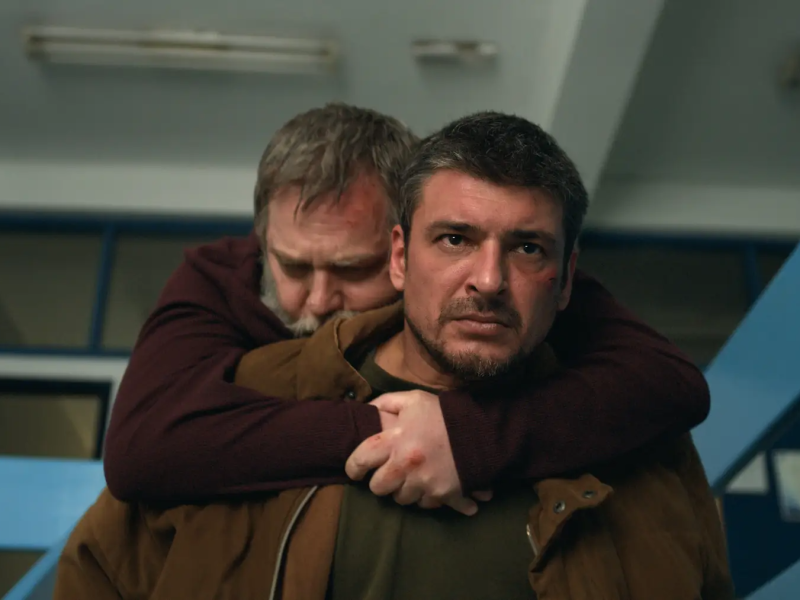
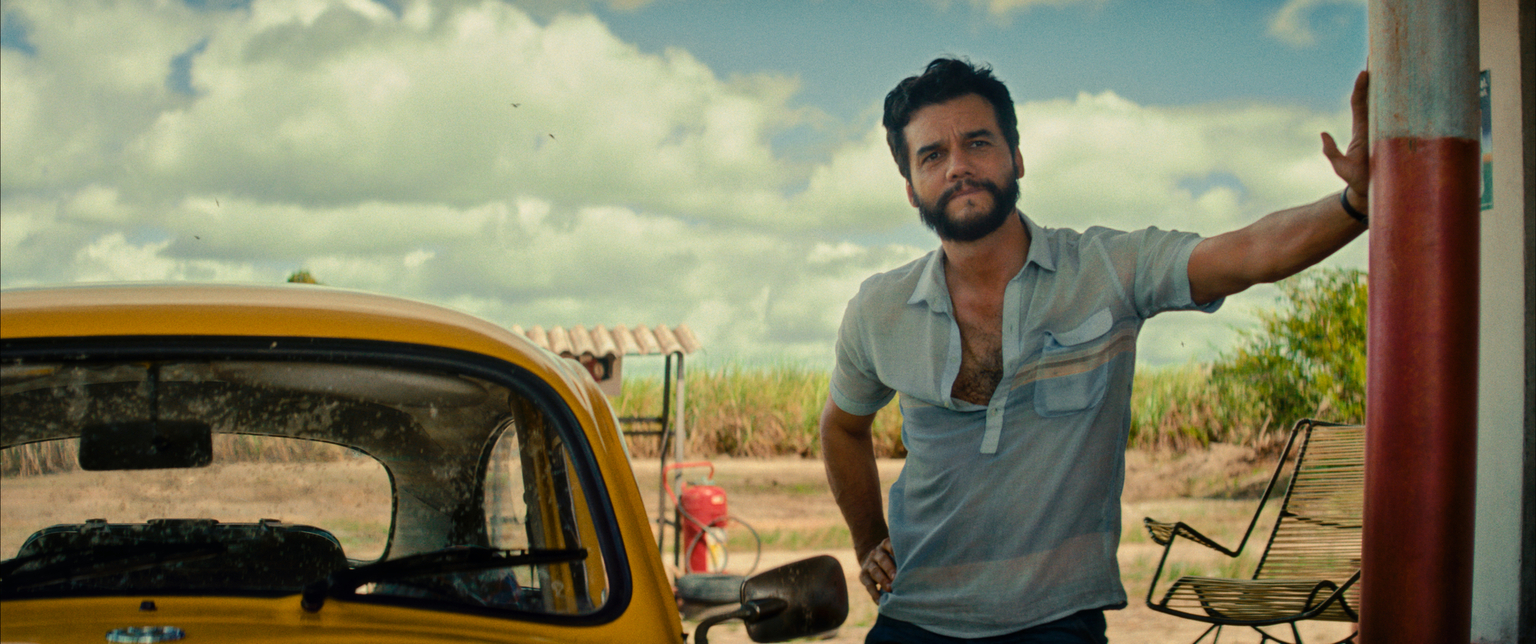
Kleber Mendonça Filho’s latest film follows Marcelo (Wagner Moura), a technology specialist fleeing the corruption and machinations at the university where he works. Seeking refuge back in his native Recife, he soon finds himself hunted down by two hitmen. Judging from its title, poster and premise, The Secret Agent promises a taut espionage thriller set amidst the Brazilian dictatorship, with Moura cast as the brooding spy navigating high-stakes political conspiracies — but this is far from the film Mendonça Filho sets out to make. Rather than inflating the espionage plot into something more complex or obscure than it really is, the director almost deflates it in a surprisingly matter-of-fact interview scene, where Marcelo delivers the complete backstory of the character. As if Mendonça Filho were eager to dispense with plot mechanics to move on to what truly interests him. Even more unexpected, the climax of this manhunt is never shown on screen; it is barely mentioned in a newspaper headline. This is simply not the story he wants to tell.
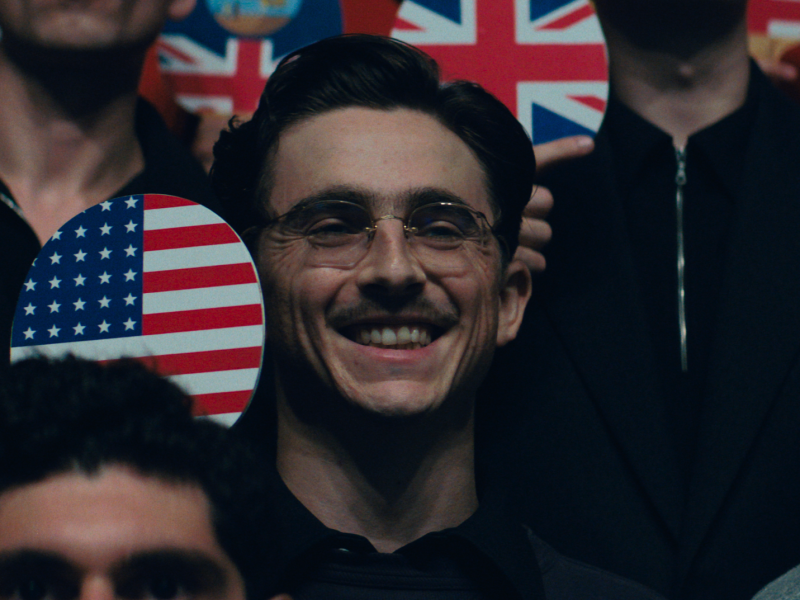
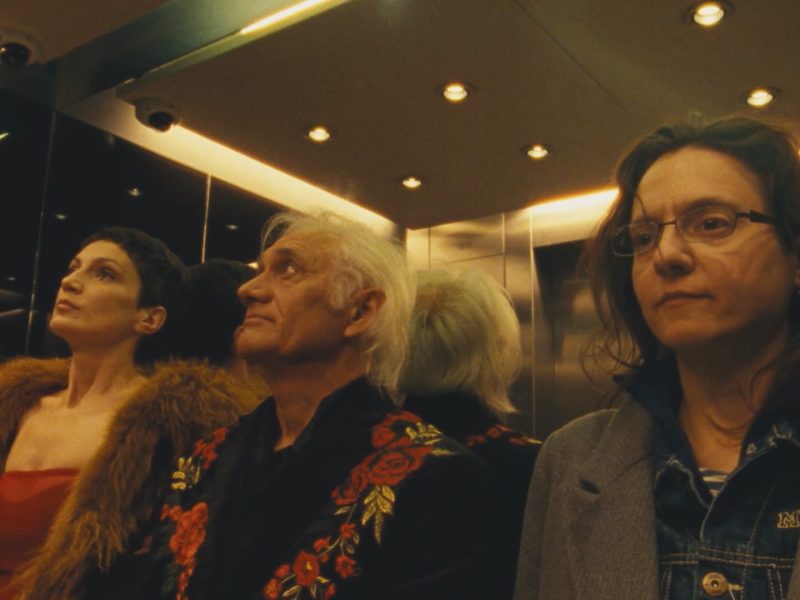
The Secret Agent instead reveals itself primarily as a pretext for wandering through 1970s Recife and reviving a richly textured world, where a languid Sunday afternoon stroll supplants the obligatory frantic car chase. From the warm light, sweat, and dust, to the ambient sound design, the director crafts an immersive and sensory experience. In this backdrop, a dense socio-political tapestry is deployed, inhabited by a gallery of colorful secondary characters who keep the plot meandering into unexpected corners. We are introduced to a gas-station manager grappling with the aftermath of a shootout, a single mother on the run or an elderly communist lady running an unconventional foster home. Together, they shape a singular atmosphere, suspended between the harsh realities of the dictatorship and the fantasized vision of a vanished world touched by a certain saudade. Freed from the expectations imposed by the title, the viewer gradually settles into the film’s unhurried tempo and comes to embrace its generous 161-minute runtime.
The tension is however very much palpable and surely grows as the film progresses. Mendonça Filho skilfully translates the ambient paranoia of the time and the persistent feeling of being observed through the use of slow zoom-ins and a hand-held camera. Dense wide-screen compositions and a shifting use of focus anchor the characters in this specific context while consistently keeping the audience on edge for what might happen in the background. The soundtrack intensifies this uneasy atmosphere with some of the chosen pieces, seemingly light and playful at the start, but building up a sense of anxiety with frantic repetition (as with A Briga Do Cachorro Com a Onca by Banda de Pifaros de Caruaru or Guerra e Pace, Pollo e Brace 1 by Ennio Morricone and Audrey Stainton).
Mendonça Filho continues to explore a theme central to his opus: the community’s struggle to preserve its integrity and autonomy against the encroaching mechanisms of modern capitalism. Whether it is a sixty-year-old woman defending her apartment against promoters in Aquarius (2016), a remote village erased from the map in Bacurau (2019), or, in this case, a loose collective of political refugees, the stakes remain identical and the negative outcome feels inevitable. The return to Recife of Neighbouring Sounds (2012) or Pictures of Ghosts (2023) highlights the importance of place in Mendonça Filho’s filmography. Once again, the city is filmed as a character in itself, swinging between outbursts of carnival fever and sweaty projection rooms, as expressive as Moura’s face. The audience is lost in a labyrinth of large avenues, administration office spaces and gated apartment complexes. In this way, the filmmaker transforms the traditional manhunt into a profound fictional archive of the Brazilian resistance.
The Secret Agent and Moura’s performance clearly resonated far beyond Brazil’s borders. After securing the Best Director and Best Actor prizes at the 2025 Cannes Film Festival, the film continued its triumphant run with Golden Globe wins for Best Actor in a Drama and Best Foreign Language Film. Just a year after Walter Salles’ I’m Still Here (2024), Mendonça Filho offers a companion piece to the same episode from their country’s recent history — one which might culminate in a historic second consecutive Oscar for Best International Feature win for Brazil.
Photo Credit: The Secret Agent (c) CinemaScópio – MK Productions – One Two Films – Lemming Film – Arte France Cinéma / MegaCom Film Promo.